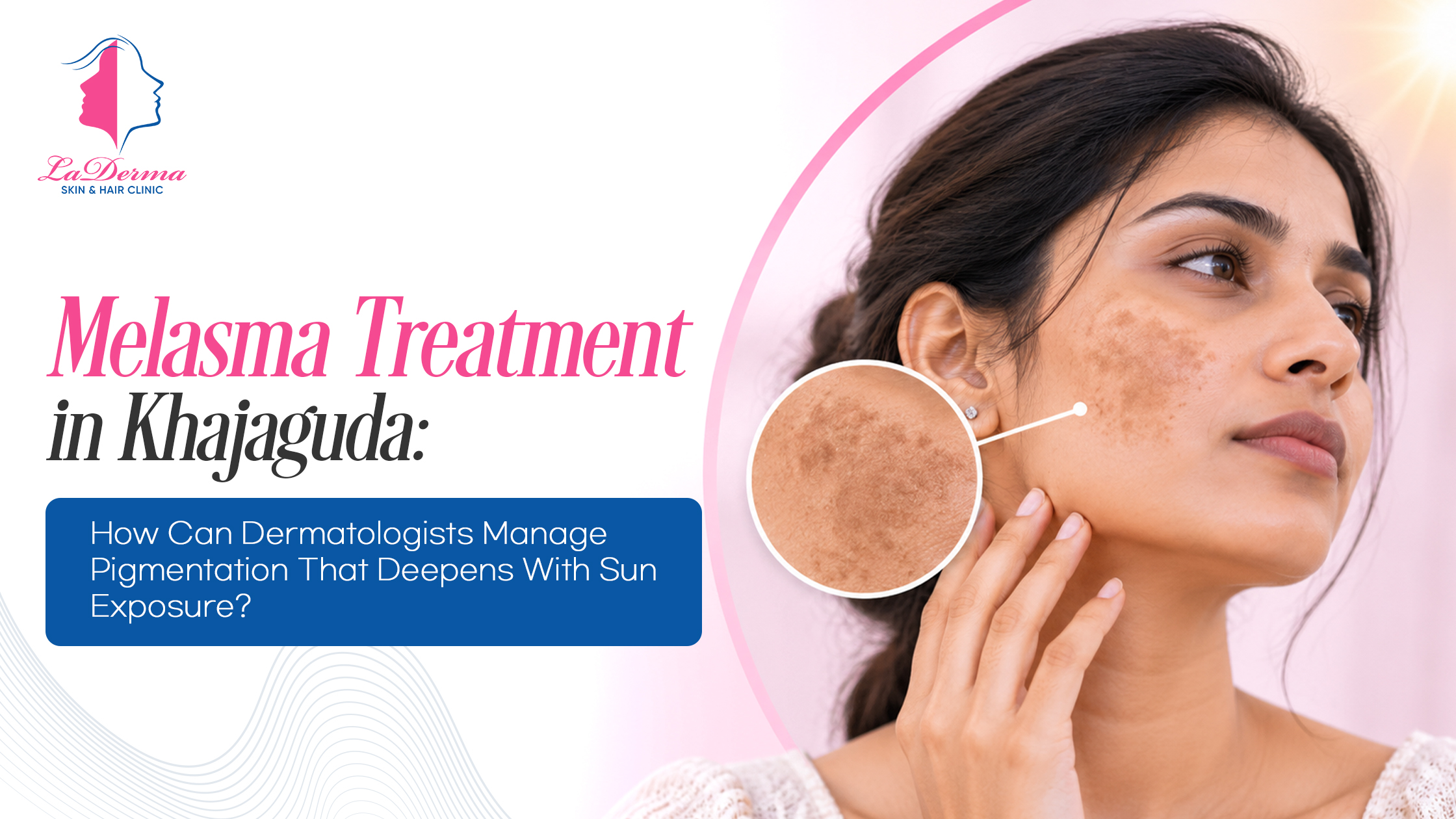
Melasma Treatment in Khajaguda: How Can Dermatologists Manage Pigmentation That Deepens With Sun Exposure?
Uneven skin tone, dark patches, and persistent facial pigmentation can affect both appearance and confidence. One of the most common causes of facial pigmentation is melasma, a skin condition that typically appears as brown or greyish-brown patches on the cheeks, forehead, nose, and upper lip. Although melasma can affect anyone, it is more common in women and individuals with darker skin tones.
For people living in Khajaguda and surrounding areas of Hyderabad, regular exposure to intense sunlight can make melasma more noticeable. Sunlight, hormonal changes, genetics, and heat can contribute to the development or worsening of pigmentation.
Seeking professional melasma treatment in Khajaguda can help individuals understand the underlying triggers, manage existing pigmentation, and reduce the chances of recurrence.
What Is Melasma and Why Does It Develop?
Melasma is a chronic pigmentation disorder caused by increased melanin production in certain areas of the skin. It usually develops gradually and appears as symmetrical patches on sun-exposed parts of the face.
Several factors can contribute to melasma:
- Sun exposure: UVA and UVB rays stimulate pigment-producing cells, making existing patches darker.
- Hormonal changes: Pregnancy, hormonal contraceptives, and other hormonal fluctuations may trigger pigmentation.
- Genetic predisposition: Individuals with a family history of melasma may have a higher likelihood of developing it.
- Heat and visible light: Environmental heat and visible light can aggravate pigmentation in susceptible individuals.
- Skin irritation: Harsh skincare products and inflammation may worsen uneven pigmentation.
Unlike temporary tanning, melasma can persist for months or years without appropriate management.
Why Does Melasma Become Darker With Sun Exposure?
Sun exposure is one of the most important triggers of melasma. When skin is exposed to ultraviolet radiation, melanocytes produce more melanin as a natural protective response.
In individuals with melasma, these pigment-producing cells are particularly reactive. As a result, even relatively short periods of unprotected sun exposure can cause existing patches to darken.
In Hyderabad, where sunlight can be intense throughout much of the year, daily sun protection is especially important.
Common situations that can worsen pigmentation include:
- Walking outdoors during peak sunlight hours.
- Travelling without adequate sunscreen protection.
- Spending extended periods near windows with sunlight exposure.
- Skipping sunscreen on cloudy days.
- Using skincare products that irritate the skin.
Dermatologists often recommend combining medical treatment with consistent sun protection to achieve better and longer-lasting results.
How Can Dermatologists Manage Melasma in Khajaguda?
Melasma treatment requires an individualised approach because pigmentation can differ in depth, severity, and underlying causes. Dermatologists evaluate the skin before recommending suitable treatment options.
1. Prescription-Based Topical Treatments
Topical medications are commonly used as the first line of treatment for melasma.
Depending on the patient’s skin condition, dermatologists may recommend:
- Hydroquinone: Helps reduce excess melanin production and lighten dark patches.
- Tretinoin: Encourages skin cell turnover and can improve the effectiveness of other pigmentation treatments.
- Azelaic acid: Helps reduce pigmentation and may also benefit individuals with acne-prone skin.
- Kojic acid: Helps reduce melanin formation.
- Tranexamic acid: Can help manage melasma in selected patients through topical or oral formulations.
Some prescription combinations contain multiple active ingredients to target pigmentation through different mechanisms. These should only be used under dermatological supervision to minimise irritation and other side effects.
2. Medical-Grade Chemical Peels
Chemical peels can help improve uneven skin tone by removing damaged superficial skin cells and promoting skin renewal.
Depending on the patient’s skin type and pigmentation severity, dermatologists may consider peels containing:
- Glycolic acid
- Lactic acid
- Salicylic acid
- Mandelic acid
Chemical peels must be carefully selected and performed by trained professionals. Aggressive treatments can cause irritation and post-inflammatory hyperpigmentation, particularly in darker skin tones.
3. Laser and Light-Based Treatments
For selected patients who do not respond adequately to topical treatments, dermatologists may consider laser or light-based procedures.
These treatments aim to target excess pigment while minimising damage to surrounding skin.
However, lasers are not suitable for every melasma patient. Incorrect settings or unsuitable procedures may worsen pigmentation or cause recurrence.
A dermatologist may evaluate the type and depth of pigmentation before deciding whether laser treatment is appropriate.
4. Oral Medications for Selected Patients
In certain cases, dermatologists may prescribe oral tranexamic acid to help manage persistent melasma.
It is not suitable for everyone and requires careful medical assessment because of potential risks, including blood clots. Patients with a history of clotting disorders or other relevant risk factors may not be suitable candidates.
Oral medication should never be started without a dermatologist’s prescription and supervision.
Why Is Sunscreen Essential During Melasma Treatment?
Even the most effective pigmentation treatments may produce disappointing results if the skin continues to receive excessive sun exposure.
Dermatologists generally recommend:
- Using a broad-spectrum SPF 50+ sunscreen.
- Choosing a sunscreen that also offers strong UVA protection.
- Considering tinted sunscreen containing iron oxides for additional protection against visible light.
- Applying sunscreen generously before going outdoors.
- Reapplying every two hours when outdoors and after sweating or swimming.
- Wearing wide-brimmed hats and protective clothing.
- Seeking shade during peak sunlight hours.
For people managing melasma in Khajaguda, sunscreen should be considered a daily skincare essential rather than an occasional product.
Can Melasma Be Permanently Cured?
Melasma is a chronic condition that can improve significantly with appropriate treatment, but it may return even after successful pigmentation reduction.
Hormonal changes, UV exposure, visible light, heat, and genetic factors can contribute to recurrence.
Therefore, dermatologists generally focus on three important goals:
- Reducing existing pigmentation.
- Maintaining an even skin tone through appropriate skincare.
- Preventing recurrence with consistent sun protection and maintenance treatment.
Patients should understand that melasma treatment takes time. Visible improvements may require several weeks or months, depending on the severity and response to treatment.
Daily Skincare Tips to Support Melasma Management
Along with professional treatment, a simple skincare routine can help maintain skin health and minimise irritation.
Morning routine:
- Cleanse using a gentle face wash.
- Apply a dermatologist-recommended antioxidant or pigmentation serum.
- Use a lightweight moisturiser.
- Finish with broad-spectrum SPF 50+ sunscreen.
Night routine:
- Remove sunscreen, makeup, and accumulated impurities.
- Apply prescribed pigmentation medication as directed.
- Use a gentle moisturiser to support the skin barrier.
Avoid excessive exfoliation, unverified fairness creams, and home remedies involving lemon juice or harsh ingredients. These can irritate the skin and potentially worsen pigmentation.
When Should You Consult a Dermatologist?
Consider consulting a dermatologist if:
- Dark patches are gradually becoming more prominent.
- Pigmentation returns despite using skincare products.
- Over-the-counter creams are not producing noticeable improvements.
- You experience irritation after using pigmentation treatments.
- You are considering chemical peels, lasers, or prescription medications.
A dermatologist can determine whether the pigmentation is melasma or another condition, assess its severity, and recommend a suitable treatment plan.
Frequently Asked Questions (FAQs)
1. How long does melasma treatment take to show results?
Most patients require several weeks to months to notice meaningful improvement. The timeline depends on pigmentation severity, treatment selection, and consistency with sun protection.
2. Can sunscreen alone treat melasma?
Sunscreen may not completely clear existing melasma, but it plays a crucial role in preventing further darkening and supporting the results of medical treatment.
3. Is laser treatment safe for melasma?
Laser treatment may benefit selected patients, but it can also worsen pigmentation if performed inappropriately. A dermatologist should assess skin type and pigmentation before recommending the procedure.
4. Does melasma return after treatment?
Yes. Melasma can recur, particularly with sun exposure, hormonal changes, and other triggers. Maintenance skincare and regular sun protection are essential.
5. Can melasma be treated in darker skin tones?
Yes. Dermatologists can recommend treatments suitable for darker skin tones, with careful attention to avoiding irritation and post-inflammatory pigmentation.
Achieve Clearer, More Even-Toned Skin With the Right Melasma Treatment
Managing melasma requires more than simply applying a skin-lightening cream. Since sunlight and visible light can trigger increased pigmentation, effective treatment involves a combination of medical care, appropriate skincare, and consistent sun protection.
For individuals looking for melasma treatment in Khajaguda, consulting an experienced dermatologist is an important step towards understanding the condition and choosing safe, effective treatment options.
With the right approach, regular follow-ups, and long-term preventive care, melasma can be managed effectively, helping improve skin clarity and confidence.
Visit: La Derma Skin & Hair Clinic, Gachibowli, Hyderabad.
For appointments: 96031 22662