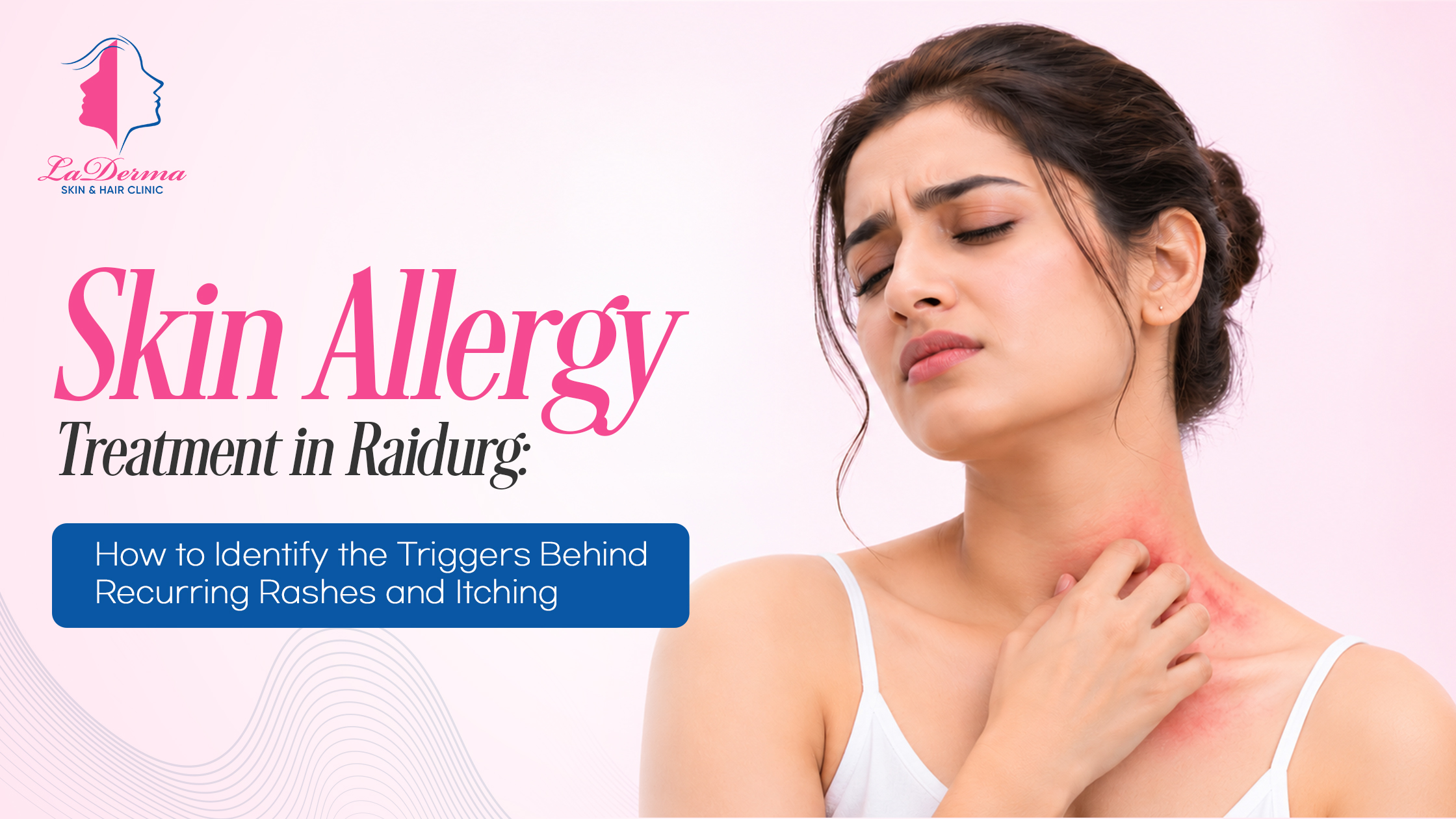
Skin Allergy Treatment in Raidurg: How to Identify the Triggers Behind Recurring Rashes and Itching
An itchy rash appears on your skin, settles after a few days, and then returns unexpectedly. You change your soap, avoid certain foods, or try different skincare products, but the irritation continues. For many people, recurring rashes can become frustrating, especially when the exact cause remains unclear.
Skin allergies and irritation can develop when the skin reacts to certain substances or environmental factors. These reactions may cause itching, redness, swelling, dryness, or raised patches on different parts of the body. However, not every recurring rash is caused by an allergy.
For individuals considering Skin Allergy Treatment in Raidurg, understanding the possible triggers, symptoms, and diagnostic approaches can help identify the underlying problem and prevent repeated flare-ups.
What Are Skin Allergies and Why Do Rashes Keep Coming Back?
A skin allergy occurs when the immune system reacts to a substance that comes into contact with the skin or, in some cases, enters the body through another route.
One common condition is allergic contact dermatitis, which develops when the skin becomes sensitised to a particular allergen. Repeated exposure may trigger inflammation and itching, even if the person previously used the same product without problems.
However, recurring rashes may also result from irritant contact dermatitis, eczema, hives, infections, or other skin conditions.
Symptoms may return when:
- The skin repeatedly comes into contact with an allergen.
- Irritating products damage the protective skin barrier.
- Heat, sweating, or friction aggravates an existing condition.
- The underlying skin problem is not properly identified.
- Treatment relieves symptoms without addressing the contributing factors.
Identifying the cause is essential because different conditions require different treatment approaches.
What Are the Common Triggers Behind Recurring Skin Allergies?
Several everyday substances can contribute to skin irritation or allergic reactions.
1. Skincare and Cosmetic Products
Fragrances, preservatives, hair dyes, and certain ingredients in moisturisers or makeup may cause allergic contact dermatitis. Reactions can develop after repeated use.
2. Detergents and Cleaning Products
Frequent exposure to soaps, detergents, disinfectants, and cleaning chemicals can weaken the skin barrier. This commonly causes irritant contact dermatitis, particularly on the hands.
3. Jewellery and Metal Accessories
Nickel found in certain earrings, watches, belts, and accessories is a common contact allergen. It may cause itching or inflammation where the metal touches the skin.
4. Sweat, Heat, and Friction
Hot weather, excessive sweating, and tight clothing may aggravate eczema or trigger certain types of hives. These reactions are not necessarily caused by an allergy.
5. Medicines and Certain Foods
Some medications and foods can trigger allergic reactions, including hives, in susceptible individuals. However, recurring itching should not automatically be attributed to food allergies without appropriate medical assessment.
6. Environmental and Workplace Exposure
Rubber products, adhesives, plants, fragrances, and occupational chemicals may contribute to recurring skin reactions.
Understanding when and where a rash develops can help narrow down possible triggers.
How Can You Recognise the Signs of a Skin Allergy?
Skin reactions can vary depending on the underlying condition, the affected area, and the individual’s skin sensitivity.
Common symptoms include:
- Persistent itching or a burning sensation.
- Red, pink, brown, or darker inflamed patches.
- Dry, rough, or scaly skin.
- Small bumps or fluid-filled blisters.
- Swelling around the affected area.
- Raised, itchy welts that appear and disappear.
Allergic contact dermatitis often develops hours or days after exposure. Hives, also called urticaria, usually appear as raised, itchy patches, with individual welts typically disappearing within 24 hours.
Because eczema, fungal infections, and other dermatological conditions can produce similar symptoms, appearance alone may not confirm an allergy.
How Do Dermatologists Identify the Cause of Recurring Rashes?
Diagnosing repeated skin reactions involves more than examining the affected area. A dermatologist may assess the pattern of symptoms and possible exposures before recommending treatment.
Step 1: Reviewing Medical History
The dermatologist asks when the symptoms began, how frequently they occur, which areas are affected, and whether the patient has experienced similar reactions previously.
Step 2: Identifying Possible Triggers
Recent changes in skincare products, detergents, medications, clothing, or workplace exposure are reviewed. Patients may be advised to maintain a symptom diary.
Step 3: Examining the Skin
The appearance, distribution, and severity of the rash help distinguish possible allergic reactions from eczema, infections, or other conditions.
Step 4: Allergy Testing When Necessary
Patch testing may be recommended when allergic contact dermatitis is suspected. It helps identify delayed reactions to specific substances.
Skin prick tests or blood tests may be useful for certain immediate allergies, but they are not routinely necessary for every recurring rash.
The choice of testing depends on the symptoms and clinical findings.
What Treatment Options Are Available for Recurring Skin Allergies?
Treatment depends on whether the condition involves allergic contact dermatitis, irritation, eczema, hives, or another diagnosis.
Avoiding Identified Triggers
When a specific allergen or irritant is identified, reducing or avoiding exposure is an important part of preventing further reactions.
Topical Anti-Inflammatory Medication
Dermatologists may prescribe appropriate corticosteroid creams or other anti-inflammatory treatments to reduce inflammation and itching. The medication and duration depend on the affected body area and severity.
Antihistamines
For conditions such as hives, antihistamines may help control itching and raised welts. They are not equally effective for every type of skin rash.
Moisturisers and Barrier Repair
Fragrance-free moisturisers and gentle skincare can help restore the skin barrier, particularly when dryness or eczema contributes to irritation.
Management of Persistent Symptoms
Recurring or severe conditions may require further assessment, prescription treatments, or specialist evaluation.
Treatment should address the diagnosed condition rather than relying on repeated use of temporary remedies.
How Can You Prevent Recurring Rashes and Itching?
Preventive measures may help reduce flare-ups, particularly when combined with appropriate medical treatment.
Dermatologists commonly recommend:
- Using gentle, fragrance-free skincare products.
- Avoiding substances known to trigger reactions.
- Moisturising regularly to maintain the skin barrier.
- Wearing comfortable clothing that reduces friction.
- Avoiding excessive scratching or harsh exfoliation.
- Keeping a record of recurring symptoms and possible exposures.
- Following prescribed treatment and reviewing persistent symptoms.
Avoid introducing several new skincare products simultaneously, as this can make it harder to identify the cause of irritation.
When Should You Consult a Dermatologist for Recurring Skin Rashes?
Occasional mild irritation may settle after the triggering exposure is removed. However, repeated or persistent symptoms deserve professional evaluation.
When searching for the Best skin clinic in Raidurg, consider whether the provider offers qualified dermatological assessment, clear explanations, and individualised treatment planning.
You should seek medical advice if:
- Rashes repeatedly return or spread.
- Itching interferes with sleep or daily activities.
- The skin develops cracks, discharge, or painful areas.
- Symptoms continue despite avoiding suspected irritants.
- You are uncertain whether the condition is an allergy or infection.
Sudden breathing difficulty, throat swelling, or swelling of the tongue associated with an allergic reaction requires immediate emergency medical attention.
Frequently Asked Questions (FAQs)
1. Why do skin rashes keep coming back even after treatment?
Recurring rashes may develop when the underlying trigger remains present or the original condition is not fully controlled. A dermatologist can help identify possible causes and recommend suitable management.
2. Can skincare products cause recurring skin allergies?
Yes. Fragrances, preservatives, hair dyes, and other ingredients may trigger allergic contact dermatitis in sensitive individuals. Reactions can occur even after using a product for a long time.
3. How can I find out what is causing my skin allergy?
A dermatologist may review your symptoms, exposure history, and skin condition. Patch testing or other investigations may be recommended when clinically appropriate.
4. Is every itchy skin rash caused by an allergy?
No. Eczema, fungal infections, psoriasis, irritant dermatitis, and other conditions may cause itching. Proper diagnosis is necessary before selecting treatment.
5. Can recurring skin allergies be permanently cured?
Some allergic reactions can be prevented through long-term avoidance of identified allergens. However, certain skin conditions may require ongoing management, and outcomes depend on the underlying cause.
Get Expert Consultation for Recurring Skin Allergies in Raidurg
Recurring rashes and persistent itching can affect comfort, sleep, and everyday activities. Identifying the underlying cause is an important step towards reducing symptoms and preventing repeated flare-ups.
At La Derma Skin & Hair Clinic, patients can seek dermatological consultation to understand recurring skin concerns and discuss appropriate treatment options based on their individual condition.
If you experience repeated rashes, unexplained itching, or persistent skin irritation, schedule a consultation for proper assessment and personalised care.
For appointments: 096031 22662