
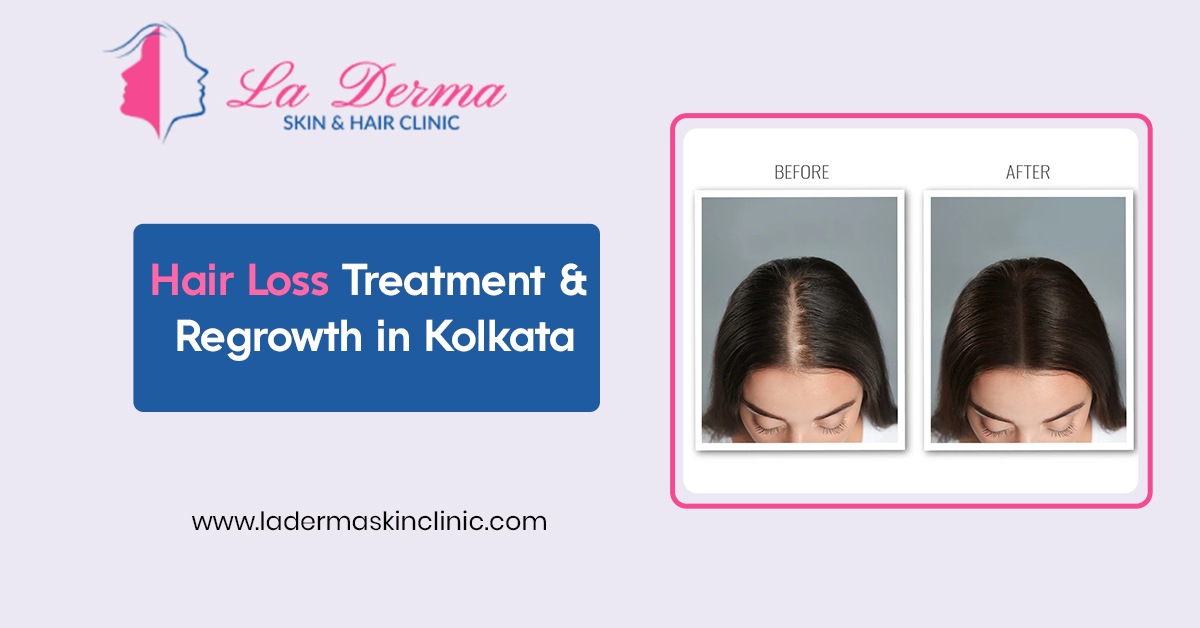
Hair Loss Treatment & Regrowth in Kolkata
Nearly 1 in 4 people who walk into a dermatology clinic today do so for one reason: hair fall. It’s no longer a “middle-aged problem” — college students, new mothers, and working professionals across Kolkata are all noticing thinner partings and fuller hairbrushes earlier than expected. Blame it on the city’s humidity, hard water, pollution, or plain old stress — the causes vary, but the worry is universal.
Here’s the part that should put your mind at ease: hair loss is one of the most treatable skin and scalp concerns out there, provided it’s diagnosed correctly and treated early. The trick isn’t finding a miracle shampoo — it’s finding the right specialist who treats the cause, not just the symptom.
This guide walks you through why hair fall happens, what real treatment options look like, and how to find the best Hair Fall Treatment in Kolkata for your specific situation.
Why Is Hair Fall So Common in Kolkata?
It’s easy to blame stress alone, but hair loss is rarely caused by just one thing. In a city like Kolkata, several factors tend to stack up:
- Humidity and sweat create a scalp environment where oil, dirt, and product buildup accumulate faster, clogging follicles over time.
- Hard water in several parts of the city strips natural oils and weakens hair strands.
- Pollution exposes the scalp to fine particulate matter that settles into hair and irritates the skin underneath.
- Nutritional gaps, especially low iron, vitamin D, and protein intake, are common contributors, particularly among women.
- Hormonal changes — thyroid issues, PCOS, postpartum shifts, or simply genetics (androgenetic alopecia) — play a major role in both men and women.
- Stress and lifestyle patterns, including poor sleep and crash dieting, can trigger a temporary but noticeable shedding phase called telogen effluvium.
The tricky part is that two people with the exact same amount of hair fall can have completely different underlying causes — which is exactly why self-treating with random internet remedies rarely works long-term.
When Should You See a Dermatologist for Hair Fall?
A little seasonal shedding is normal — everyone loses roughly 50 to 100 strands a day. But it’s worth getting checked out if you notice the following:
- Visible thinning or widening of the parting
- Receding hairline or a bald patch developing
- Sudden, patchy hair loss (which could indicate alopecia areata)
- Excessive shedding that continues for more than 2-3 months
- Hair fall accompanied by scalp itching, flaking, or redness
Waiting it out often makes treatment harder later, because certain types of hair loss are far easier to reverse when addressed in the early stages. This is where consulting a qualified specialist, rather than relying on salon “hair spas” or unverified online products, makes a real difference.
What Does Modern Hair Loss Treatment Actually Involve?
A proper hair loss treatment plan usually starts with figuring out why the hair is falling before jumping to how to fix it. A thorough consultation typically includes a scalp examination, sometimes trichoscopy (a magnified scalp analysis), and relevant blood work to rule out thyroid, iron, or hormonal imbalances.
Depending on the diagnosis, treatment can include the following:
- Topical treatments — Medicated solutions applied directly to the scalp to stimulate follicles and slow further loss.
- Oral medications — Prescribed in specific cases of pattern hair loss, always under medical supervision since these aren’t one-size-fits-all.
- PRP (Platelet-Rich Plasma) therapy — Uses your own blood plasma, rich in growth factors, injected into the scalp to encourage follicle activity. It’s become one of the more popular clinical options for regrowth in recent years.
- Mesotherapy — Micro-injections of vitamins, amino acids, and growth-supporting nutrients directly into the scalp.
- Low-Level Laser Therapy (LLLT) — A non-invasive option that uses light energy to stimulate blood flow and follicle activity.
- Hair transplant — For advanced hair loss where regrowth options have plateaued, surgical restoration remains the most definitive route.
A skilled dermatologist won’t push you straight into the most expensive option. Instead, they’ll match the treatment to what’s actually driving your hair loss, sometimes combining two or three approaches for better results.
Dandruff and Hair Fall: The Connection People Overlook
A lot of people treat dandruff as a cosmetic nuisance rather than a real trigger for hair loss — but the two are often linked. Chronic dandruff means a constantly inflamed, flaky scalp, and inflammation around hair follicles can accelerate shedding over time. Scratching an itchy scalp repeatedly also causes micro-damage to follicles.
This is why a good Dandruff Treatment Clinic in Kolkata doesn’t just hand out an anti-dandruff shampoo — it looks at whether the flaking is due to seborrheic dermatitis, fungal overgrowth (malassezia), a dry scalp condition, or even a reaction to hair products. Getting the diagnosis right changes the entire treatment approach, and clearing up chronic dandruff is often a necessary first step before any hair regrowth treatment can really work.
Choosing the Right Dermatologist in Kolkata
With so many clinics advertising “instant hair regrowth,” it’s worth being a little selective. A few things to look for:
- Proper diagnosis before treatment — if a clinic prescribes something on day one without any scalp examination or tests, that’s a red flag.
- Realistic expectations — regrowth takes months, not weeks, and anyone promising overnight results is overselling.
- Personalised plans — hair fall in a 25-year-old with PCOS looks very different from hair fall in a 45-year-old with age-related thinning.
- Qualified expertise — always confirm the doctor is a registered dermatologist, not just a “hair specialist” without formal credentials.
Dr. Khushbu Tantia is recognised among patients in the city as a Top Dermatologist in Kolkata for hair and scalp concerns, known for taking a diagnosis-first approach rather than a one-treatment-fits-all mindset. Whether the concern is early-stage thinning, postpartum hair fall, dandruff-related shedding, or advanced pattern hair loss, the emphasis stays on identifying the actual cause before recommending a treatment path.
Simple Habits That Support Any Treatment Plan
Even the best clinical treatment works better alongside good daily habits:
- Wash hair regularly to prevent oil and product buildup, but avoid harsh, sulphate-heavy shampoos.
- Eat a protein and iron-rich diet — hair is literally made of protein, so deficiency shows up quickly.
- Avoid tight hairstyles that pull on the roots (traction alopecia is more common than people think).
- Manage stress where possible — sleep and stress levels genuinely affect the hair growth cycle.
- Be patient and consistent — most treatments need at least 3 to 6 months before visible improvement.
Final Thoughts
Hair loss can feel discouraging, especially when it affects confidence, but it’s rarely a hopeless situation. The key is moving away from guesswork and toward a proper diagnosis — understanding whether it’s genetics, hormones, nutrition, scalp health, or a combination of these. With the right treatment plan and a bit of consistency, visible regrowth and healthier hair are realistic goals for most people.
People Also Ask
1. What is the most effective hair fall treatment in Kolkata?
There’s no single “most effective” treatment for everyone — it depends on the cause. PRP therapy, topical treatments, and mesotherapy are commonly used, often in combination, after a proper scalp and hormonal evaluation.
2. Can dandruff really cause hair loss?
Yes. Chronic, untreated dandruff can inflame the scalp and weaken hair follicles over time, leading to increased shedding. Treating the underlying scalp condition often improves hair fall too.
3. How long does it take to see results from hair regrowth treatment?
Most treatments require at least 3 to 6 months of consistency before noticeable regrowth appears, since hair growth happens in cycles rather than overnight.
4. Is PRP therapy safe for hair regrowth?
PRP uses the patient’s own blood plasma, making it generally safe when performed by a qualified dermatologist in a sterile clinical setting.
5. When should I consult a dermatologist instead of trying home remedies?
If hair fall continues beyond 2-3 months, comes with visible thinning or bald patches, or is paired with scalp itching or flaking, it’s best to see a dermatologist rather than relying solely on home remedies.
6. Is hair loss in women treated differently than in men?
Often, yes. Hormonal factors like PCOS, thyroid imbalance, and postpartum changes are more common triggers in women, so treatment plans are typically tailored accordingly.