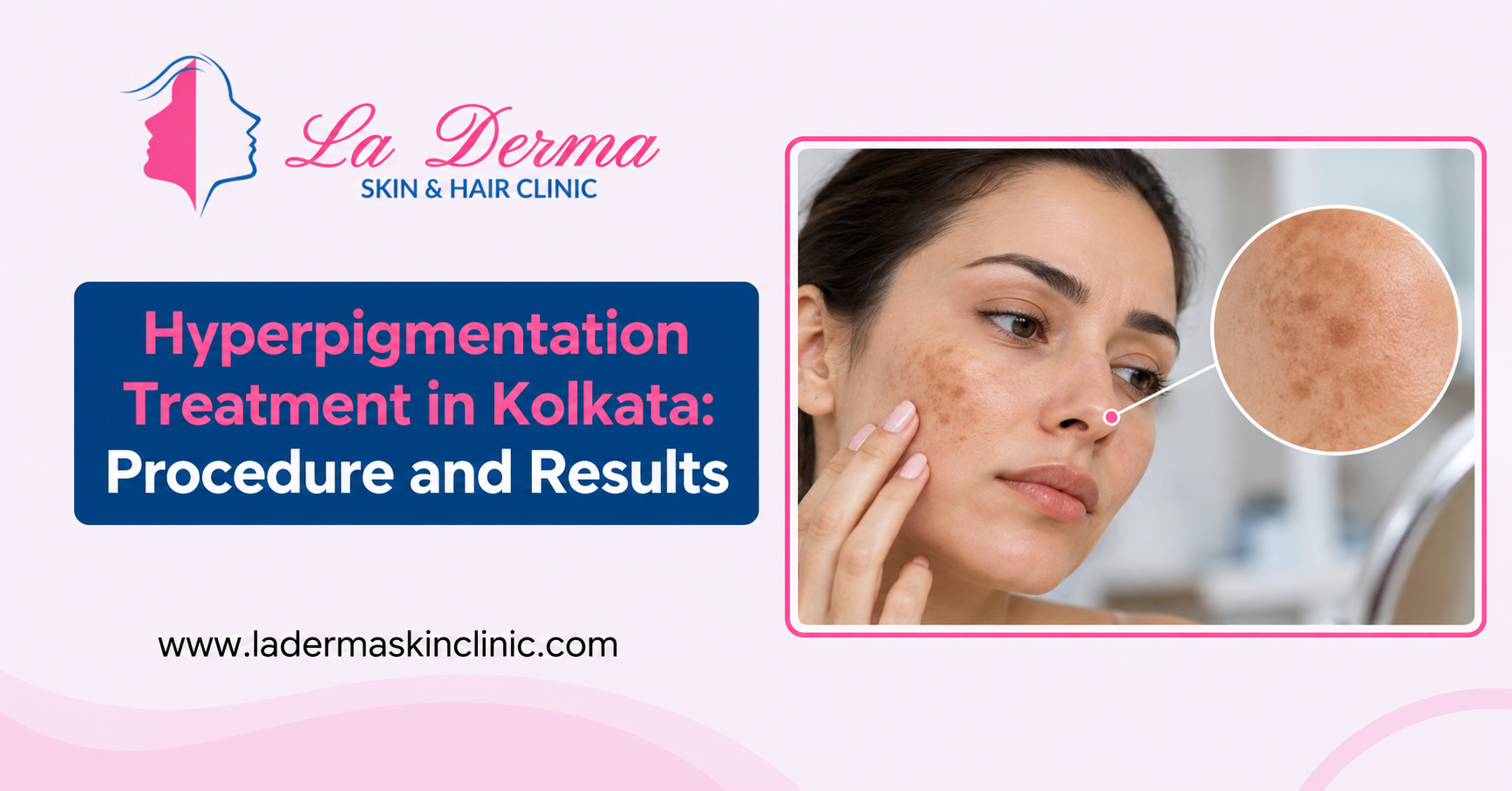
Hyperpigmentation Treatment in Kolkata: Procedure and Results
You’ve probably tried everything by now. The lemon juice your aunt swore by, the brightening cream a friend recommended, and maybe even that pricey serum from Instagram. And yet the dark patch on your cheek is still there, or worse, a little darker than before. If that sounds familiar, you’re likely searching for hyperpigmentation treatment in Kolkata that actually works, because in a humid, sun-heavy city like this one, pigmentation rarely fades on its own.
The frustrating part is that not all dark patches are the same. Melasma, post-acne marks, and sun spots each need a different approach, and the wrong treatment can make things worse, especially on Indian skin. That is why many people eventually consult a pigmentation specialist in Kolkata who can identify what is happening beneath the surface before suggesting anything.
What Is Hyperpigmentation?
Hyperpigmentation is a skin condition where certain areas become darker than the surrounding skin. Hyperpigmentation happens when melanocytes, the cells that produce melanin, produce melanin more than usual in specific spots. Hyperpigmentation is generally harmless. Hyperpigmentation can affect confidence, especially when hyperpigmentation appears on the face.
What Causes Dark Patches and Uneven Skin Tone?
There is no single cause. The common triggers include:
- Sun exposure: UV rays push melanocytes into overdrive, leading to sun spots and tanning that does not fade.
- Hormonal changes: Pregnancy, birth control pills, and thyroid or PCOS-related shifts can trigger melasma.
- Inflammation: Acne, eczema, insect bites, burns, or aggressive scrubbing can leave dark marks behind. This is called post-inflammatory hyperpigmentation.
- Skin products: Some cosmetics, strong home remedies, and unsupervised steroid creams can worsen discolouration.
- Genetics and ageing: Freckles and age spots tend to run in families and appear over time.
Kolkata adds its challenges. High humidity, long sunny stretches, traffic pollution, and sweating all keep skin under stress. Because most of us have medium to dark skin tones, our skin is naturally more prone to hyperpigmentation after even minor irritation. That is why hyperpigmentation treatment needs to be gentle and carefully planned. Aggressive approaches can backfire on the skin.
Common Types of Pigmentation
Knowing which type of hyperpigmentation you have matters because hyperpigmentation treatment changes with it. Melasma appears as brown or grey-brown patches on the cheeks, forehead, and upper lip. Melasma is often linked to hormones and sunlight. Can return if triggers are not managed. Post-acne marks are dark spots that remain after pimples heal. These are among the most responsive to hyperpigmentation treatment. Sunspots (lentigines) are small, well-defined spots on areas that see the most sun, such as the face, hands, and shoulders. Dark circles and underarm or neck darkening may have a hyperpigmentation component, though other factors such as genetics and insulin resistance can also play a role.
The Procedure, Step by Step
A good hyperpigmentation treatment journey is never “one laser and done.” Here is how it usually unfolds at a run clinic.
Step 1: Consultation and skin analysis
Your dermatologist begins by listening. Your dermatologist will ask how long hyperpigmentation has been there, what products you have used, whether you are on any medication, and whether you are pregnant or planning to be pregnant. The skin is examined closely with a dermoscope or a Wood’s lamp to see how deep hyperpigmentation sits (surface level or deeper layers). This step decides everything that follows.
Step 2: Building a plan
Most plans combine two or three approaches rather than relying on a single one.
- Grade topical creams: These may contain ingredients such as vitamin C, niacinamide, azelaic acid, kojic acid, retinoids, or tranexamic acid, prescribed in the appropriate strength and for the appropriate duration.
- Chemical peels: Mild peels using glycolic, lactic, mandelic, or salicylic acid gently exfoliate the layer so hyperpigmentation cells shed faster. Doctors usually select formulations for Indian skin to reduce the risk of irritation.
- Laser toning: Low-fluence lasers break down hyperpigmentation in small controlled steps. Sessions are usually spaced a week apart.
- Mesotherapy: Often used for post-acne marks, these help skin renew itself while allowing brightening serums to work more effectively.
- Oral medication: In cases such as melasma, a doctor may prescribe oral supplements or tranexamic acid after checking your health history.
Step 3: The in-clinic sessions
Before a peel or laser, your skin is. Prepped. A numbing cream may be applied if needed. Peels usually feel like a tingle or warmth. Laser toning feels like a snap or warmth against the skin. Most sessions last between twenty and forty minutes, and you can resume your normal routines the same day, although your face may appear pink for a few hours.
Step 4: Home care and follow‑up
This part determines whether results last. You will be advised to use sunscreen, a cleanser, moisturizer, and the active products that you should use at home. Regular follow-ups allow the doctor to adjust your plan as your skin responds.
What Results Can You Get? How Long Do They Take?
The honest answer is that it depends on the type and depth of pigmentation, your skin’s response, and how consistently you follow the plan.
Post‑acne marks and superficial tanning usually start looking better within three to six weeks. Sun spots may fade noticeably after a session. Melasma is the slowest to improve. Improvement usually becomes visible over two to four months. It requires long‑term maintenance because it can flare up again with sun or hormonal changes.
Most people notice a more even tone gradually rather than overnight. Be wary of anyone who promises removal in one week. Skin needs time. Results vary from person to person.
Is Treatment Safe for Skin?
Yes, when it is performed by a professional who understands darker skin tones. The main risk is rebound pigmentation, where the wrong treatment or too much heat darkens the skin further. That is why technique, machine settings, and peel strength matter much. It is also why trying DIY lightening hacks or skin‑whitening creams from sources is risky.
Aftercare Tips That Protect Your Results
- Wear sunscreen every day, SPF 30 or higher, and reapply when you are outdoors. This is the most important habit.
- Do not pick at peeling skin or scabs. Let them fall off naturally.
- Avoid scrubs and unsupervised actives during the treatment period.
- Stay consistent with your routine even when the patches start fading.
- Cover up from the sun with a hat, scarf, or umbrella, especially during Kolkata’s bright afternoons.
How to Choose the Right Clinic
Pigmentation is tricky enough that the clinic you choose really matters. Look for a doctor who examines your skin properly before recommending anything and explains the risks openly. Does not push expensive packages. A reliable skin care clinic in Kolkata should also use approved devices, maintain hygiene, and offer proper follow‑up instead of treating you as a one‑time customer.
At La Derma Skin & Hair Clinic, Dr. Khushbu Tantia takes an approach to pigmentation. Treatment starts with understanding your skin type, lifestyle, and triggers, and plans are tailored rather than copied from a template. This matters because two people with similar‑looking patches can need entirely different treatments.
Final Thoughts
Pigmentation can feel frustrating, especially when you have already tried creams without luck. With the right diagnosis, patience, and sun protection, even stubborn patches can improve, and your natural glow can return. If you have been putting it off, consider booking a consultation with a dermatologist in Kolkata who can look at your skin, explain your options clearly, and guide you through every step. Healthy, even‑toned skin is a journey. It starts with the first honest conversation about what your skin really needs.
People Also Ask
Can hyperpigmentation be removed permanently?
Some forms, like post‑acne marks and sun spots, can fade significantly. Stay light if you protect your skin. Melasma tends to recur. Ongoing care is needed.
How many sessions will I need?
Most people need from four to eight sessions depending on the type and severity. Your doctor will give an estimate after examining your skin.
Is the treatment painful?
Not usually. Most people describe peels and laser toning as mildly uncomfortable at worst.
Is there downtime?
Very little. Light redness or dryness may last a day or two. You can generally resume daily activities right away.
Can I treat pigmentation at home?
Mild cases may improve with sunscreen and gentle actives. Persistent or spreading patches deserve a proper evaluation.