
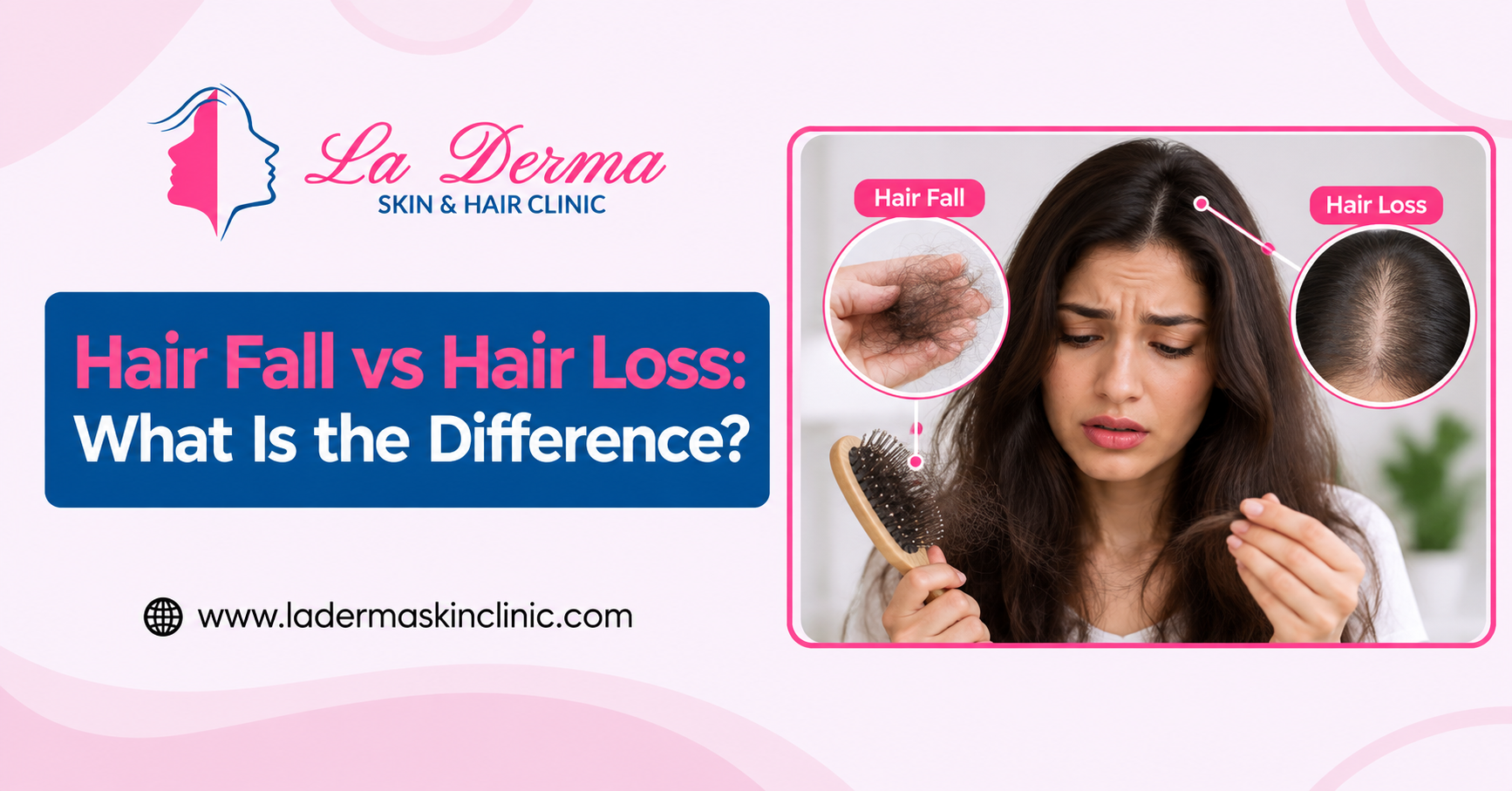
Hair Fall vs Hair Loss: What Is the Difference?
Finding more hair on your pillow than usual is enough to make anyone panic. Many people in the city start looking for Hair Fall Treatment in Kolkata within days of noticing it and often end up trying one product after another without knowing what is really going on.
Here is the thing most people are never told: hair fall and hair loss are two different problems, with different causes and different solutions. Once you understand the difference, you can stop guessing and start doing what actually helps. Let’s walk through it together.
What Is Hairfall?
Hair fall is the everyday shedding of hair. Your scalp has around 100,000 follicles. Each strand goes through a natural growth cycle. When a strand reaches the end of its life, it falls out. A new one grows in its place.
Losing 50 to 100 hairs a day is considered normal. It becomes a problem when shedding becomes too much and continues for several weeks. The good news is that hair fall is usually temporary and can be fixed because the follicle is still healthy and active.
Common causes of hair fall
- Stress: Physical or emotional stress can push hairs into the shedding phase at once (telogen effluvium).
- Nutritional gaps: Iron, vitamin D, vitamin B12, zinc, or protein can weaken the roots.
- Hormonal changes: Pregnancy, postpartum, thyroid problems, and PCOS often trigger shedding.
- Illness or fever: Heavy shedding commonly shows up two to three months after a fever.
- Crash diets: Sudden weight loss starves the follicles of nutrients.
- Harsh hair care: Heat styling, hairstyles, and chemical treatments damage strands.
What Is Hair Loss?
Hair loss, medically called alopecia, is a lasting condition. Here, hair does not simply regrow. The follicles shrink, weaken, or get damaged, and new hair grows back thinner or stops growing.
Think of hair fall as leaves dropping from a tree in autumn, while hair loss is the tree losing its ability to grow leaves. That is why it needs a careful, targeted approach.
Common types of hair loss
Alopecia (pattern baldness): The most common type. Men usually see a receding hairline or crown thinning while women notice a widening part.
- Alopecia areata: A condition that causes round, smooth bald patches.
- Scarring alopecia: Inflammation destroys the follicle. Replaces it with scar tissue, causing permanent loss.
- Traction alopecia: Caused by pulling from tight ponytails, braids, or buns.
Hair Fall vs Hair Loss: The Key Differences
The biggest difference lies in the follicle. In hair fall, the follicle stays healthy, so hair usually returns on its own once the trigger is removed. In hair loss, the follicle is shrunken or damaged, so regrowth may need help.
Duration also differs. Hair fall typically lasts a week to a few months, while hair loss develops slowly over months or years. Visible signs differ too. Hair fall shows up as strands on your comb or pillow, whereas hair loss shows up as thin patches, a receding hairline, a wider parting, or bald spots.
Triggers vary widely. Hair fall is mostly linked to stress, illness, diet, and seasons. Hair loss is often tied to genetics, hormones, and autoimmune conditions.
How to Tell Which One You Have
Ask yourself these questions:
- Is the shedding sudden or gradual? Sudden heavy shedding often points to hair fall after an event. Slow thinning over years suggests hair loss.
- Is your scalp more visible? A parting or see-through area may mean more than simple shedding.
- Do you have patches? These signal a condition and need a proper check-up.
- Does baldness run in your family? A family history raises the chance of pattern hair loss.
- Has it lasted more than three months? If yes, do not wait it out.
The Scalp Connection: Why Dandruff Matters
Many people focus on hair and ignore the scalp. An unhealthy scalp is one of the biggest reasons for weak, falling hair. Flaking, itching, and oiliness can inflame the follicles. Worsen shedding.
Dandruff is often caused by a yeast called Malassezia, which thrives on the scalp, and Kolkata’s warm, humid weather makes it even more common. If you are dealing with flakes or itching, a proper Dandruff Treatment in Kolkata from a qualified skin and hair specialist can calm the scalp and reduce shedding over time. Simply switching shampoos again often makes things worse.
When Should You See a Doctor?
Book a consultation if:
- You lose more than 100 hairs a day for over 6 to 8 weeks
- You notice bald patches or a widening parting
- Your scalp is itchy, painful, red, or scaly
- Shedding began after starting a new medicine
- Home remedies have not helped after two to three months
Early diagnosis makes a huge difference. Treating the root cause in the first few months gives far better results than waiting until follicles are permanently damaged.
What Does Professional Treatment Look Like?
A proper evaluation goes beyond looking at your hair. The doctor will take your history, examine your scalp, and may use a dermoscope to study the follicles. Blood tests for iron, thyroid, vitamin D, and hormones are often advised.
Depending on the cause, treatment may include solutions like minoxidil, supplements for deficiencies, medical care for scalp conditions, PRP therapy, mesotherapy, and lifestyle and diet guidance. A good clinic diagnoses the cause first, rather than offering the same solution to everyone, because two people with the same complaint can have entirely different reasons behind it.
Simple Habits to Reduce Hair Fall at Home
- Eat protein. Hair is made of keratin, so include eggs, dal, paneer, fish, or nuts.
- Add iron- and vitamin-rich foods such as greens, seeds, and citrus fruits.
- Be gentle with hair. It is fragile, so avoid rough towel drying and aggressive combing.
- Wash regularly. Two to three times a week, or more if your scalp is oily.
- Limit heat and chemicals. Give your hair breaks from straightening and colouring.
- Manage stress. Sleep well, walk, and try yoga or breathing exercises.
- Avoid hairstyles. Constant tension can damage follicles permanently.
Final Thoughts
Hair fall and hair loss sound alike. They are different problems. Hair fall is usually a reaction to stress, illness, or nutrition, and hair typically grows back once the cause is fixed. Hair loss involves changes in the follicle itself. Often needs medical treatment to slow or reverse it.
The important thing is not to panic and not to delay. If your concerns have lasted longer than a couple of months, get a proper diagnosis. At La Derma Skin & Hair Clinic, the approach is personalised, with the focus on finding the cause before recommending a plan. Dr. Khushbu Tantia, a Top rated Dermatologist in Kolkata, is known for her patient care and honest guidance, so you spend only on what you actually need.
People Also Ask
Is losing 100 hairs a day
Yes, 50 to 100 strands daily is part of the cycle. Higher shedding for several weeks should be checked.
Can hair fall turn into hair loss?
Yes. If the underlying cause, such as a thyroid issue, deficiency, or scalp infection, is left untreated, prolonged shedding can weaken follicles. Lead to lasting thinning.
How long does hair take to grow?
After the cause is treated, most people see baby hairs within 3 to 4 months, with clear improvement by 6 months.
Does dandruff cause hair fall?
Severe or untreated dandruff can inflame the scalp. Weaken roots, which may increase shedding.
What is the main difference between hair fall and hair loss?
Hair fall is shedding where the follicle stays healthy, and hair usually regrows. Hair loss involves follicles that’re shrunken or damaged, so regrowth is limited without treatment.
Can stress really cause hair fall?
Yes. Major stress, whether physical or emotional, can push hairs into the resting phase at once. Shedding usually appears two to three months later. Settles once the stress is managed.
Which vitamin deficiency causes hair fall?
Low iron, vitamin D, vitamin B12, and zinc are the common culprits. A blood test is the way to find out what you are actually short of before starting supplements.
Does oiling stop hair fall?
Oiling can reduce friction. Make hair feel softer, but it does not treat the underlying cause of shedding. Leaving oil on a dandruff-prone scalp for long hours may even worsen flaking.
Can hair loss be reversed?
It depends on the type. How early it is caught. Many conditions respond well when treated in time. Scarring types, where follicles are destroyed, are harder to reverse, which is why early diagnosis matters.
When should I consult a dermatologist?
If shedding lasts longer than two months, if you see patches, or if your scalp has persistent itching, redness, or flaking, it is time to book an appointment.