
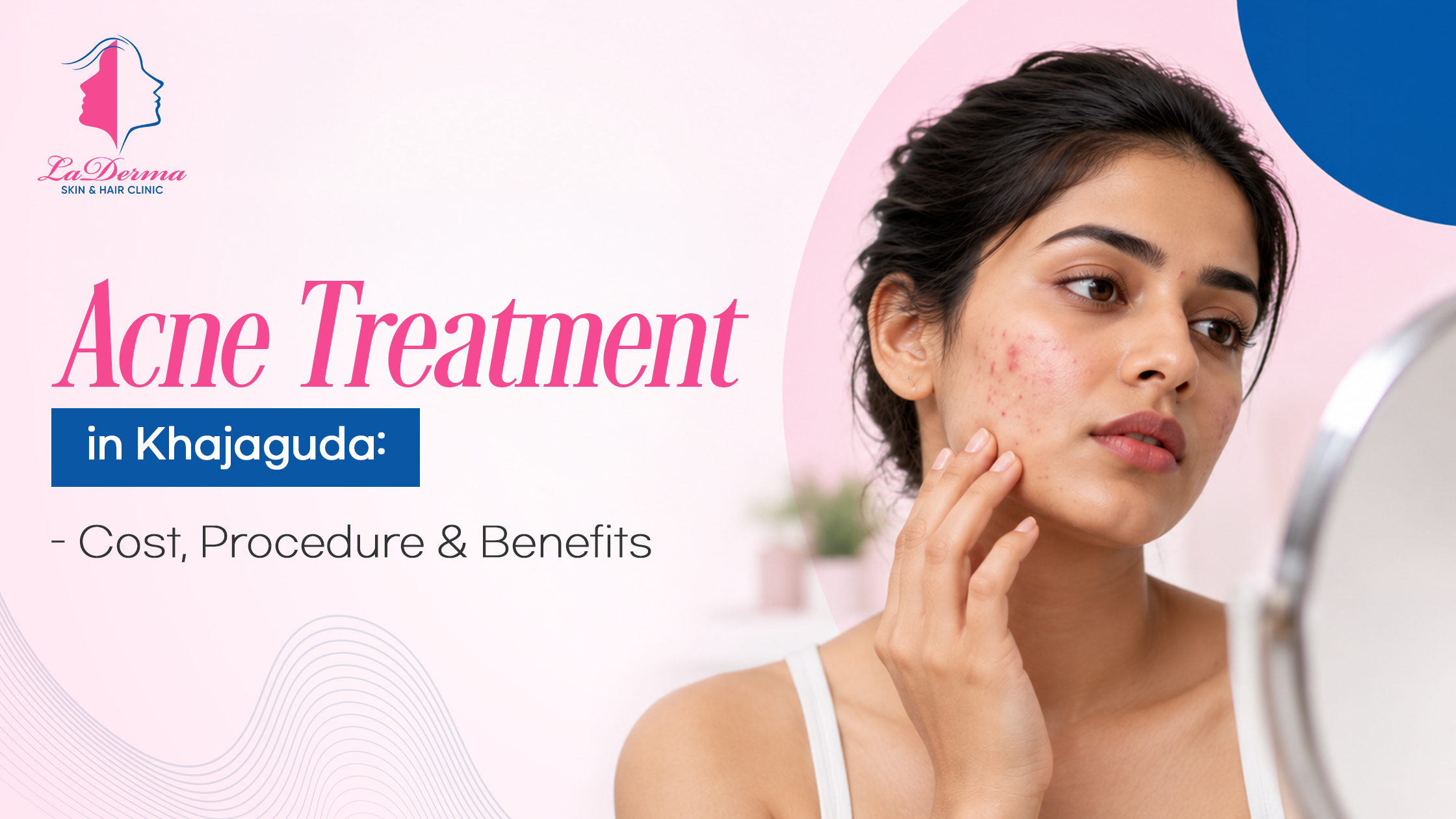
Acne Treatment in Khajaguda: Cost, Procedure & Benefits
Acne is one of the most common skin conditions, affecting teenagers and adults alike. Occasional pimples may disappear on their own, but persistent breakouts, painful acne, clogged pores, and acne marks may require professional dermatological care. When acne continues to return despite regular skincare, identifying the underlying cause and choosing the right treatment can make a significant difference.
Acne treatment in Khajaguda focuses on controlling active breakouts, reducing inflammation, preventing new acne, and improving the overall appearance of the skin. Treatment is selected according to the patient’s age, skin type, acne severity, and whether pigmentation or scars are also present.
What Is Acne?
Acne develops when hair follicles become clogged with excess oil, dead skin cells, and other substances. The blockage can result in different types of lesions, including blackheads, whiteheads, pimples, and deeper inflammatory acne.
Acne commonly appears on areas where the skin has more oil-producing glands, such as the:
- Face
- Forehead
- Cheeks
- Chin
- Chest
- Shoulders
- Upper back
The severity of acne varies from person to person. Some individuals may have occasional mild pimples, while others may experience persistent, painful, or deep acne that can leave scars.
What Causes Acne?
Acne can develop due to a combination of factors rather than a single cause. Understanding these factors can help in choosing an appropriate treatment approach.
Excess Oil Production
Sebaceous glands naturally produce sebum, an oily substance that helps protect the skin. Excessive sebum production can contribute to clogged pores and acne.
Dead Skin Cells
Dead skin cells can accumulate inside hair follicles and combine with oil, creating blockages that may lead to blackheads, whiteheads, and pimples.
Hormonal Changes
Hormonal fluctuations can increase oil production and contribute to acne. This is common during adolescence, but hormonal acne can also affect adults.
Bacteria and Inflammation
Blocked follicles can create an environment where bacteria and inflammation contribute to the development of acne lesions.
Family History
People with a family history of acne may have a greater tendency to develop persistent or severe breakouts.
Skincare and Cosmetic Products
Some heavy or unsuitable skincare and cosmetic products may contribute to clogged pores. Choosing products appropriate for acne-prone skin can help reduce this risk.
When Should You Consider Acne Treatment?
Not every pimple requires medical treatment. However, professional evaluation may be useful when acne becomes frequent, painful, persistent, or difficult to control.
You may consider consulting a dermatologist if you experience:
- Frequent or recurring breakouts
- Painful or inflamed pimples
- Large or deep acne lesions
- Blackheads and whiteheads that persist
- Dark spots after acne
- Acne scars
- Breakouts that do not improve with regular skincare
- Acne that affects your confidence
Early treatment can help control acne and may reduce the risk of significant scarring in people with inflammatory or severe acne.
Acne Treatment in Khajaguda: What to Expect
The treatment process generally begins with a detailed skin assessment. Since acne can have different causes and presentations, a dermatologist may first determine the type and severity of acne before recommending treatment.
1. Skin Evaluation
The dermatologist examines the skin and identifies the type of acne, its severity, and the areas affected. The presence of redness, pigmentation, scars, or excessive oiliness may also be assessed.
2. Medical and Skincare History
Your dermatologist may ask about previous acne treatments, medications, skincare products, allergies, hormonal changes, and how long you have been experiencing breakouts.
3. Personalized Treatment Plan
Based on the evaluation, the dermatologist may recommend topical medications, oral medication, chemical peels, or other appropriate procedures. Some patients may require a combination of treatments.
4. Follow-Up and Monitoring
Acne treatment often requires regular monitoring. Follow-up appointments allow the dermatologist to assess your response and modify the treatment plan if necessary.
Acne Treatment Options
The appropriate treatment depends on the type and severity of acne.
Topical Treatments
Topical creams, gels, or lotions may be recommended to manage clogged pores, inflammation, oil production, or recurring breakouts. The specific medication depends on the patient’s skin condition.
Oral Medications
Moderate or severe acne may sometimes require prescription oral medication. These medicines should be taken only under the guidance of a qualified healthcare professional.
Chemical Peels
Certain chemical peels may be used as part of acne management. Depending on the type of peel selected, they may help improve clogged pores, excess oil, uneven skin texture, and certain types of post-acne pigmentation.
Acne Mark Treatment
Some people develop dark spots after pimples heal. Once active acne is under control, a dermatologist may recommend suitable treatments to address post-acne pigmentation.
Acne Scar Treatment
Acne scars treatment are different from active acne and may require a separate treatment plan. Depending on the type and depth of scarring, a dermatologist may recommend specific procedures after evaluating the skin.
Benefits of Professional Acne Treatment
A personalized acne treatment plan can offer several potential benefits.
Helps Control Breakouts
Appropriate treatment can help reduce the frequency and severity of recurring acne.
Reduces Inflammation
Treatment may help manage redness, swelling, and inflammation associated with certain types of acne.
Helps Prevent Future Breakouts
A consistent treatment and skincare routine can help manage factors that contribute to recurring acne.
Improves Skin Texture
Managing clogged pores and inflammation may help improve the overall appearance and texture of acne-prone skin.
Reduces the Risk of Scarring
Early management of inflammatory acne may help reduce the likelihood of significant acne scarring.
Addresses Post-Acne Concerns
Once active acne is controlled, additional treatment may be considered for pigmentation and acne scars when appropriate.
Acne Treatment Cost in Khajaguda
The cost of acne treatment in Khajaguda varies from person to person. There is no single fixed cost because the treatment plan depends on the individual’s skin condition and requirements.
Factors that may affect the overall cost include:
- Severity and type of acne
- Dermatologist consultation charges
- Medications prescribed
- Type of procedure selected
- Number of treatment sessions
- Treatment of acne marks or scars
- Follow-up requirements
For an accurate estimate, it is best to consult a dermatologist and undergo a proper skin evaluation before starting treatment.
How Long Does Acne Treatment Take?
The duration of acne treatment depends on several factors, including the severity of acne, treatment method, skin response, and consistency with the recommended routine.
Mild acne may be managed with a relatively simple treatment plan, while moderate or severe acne may require longer-term care. Patients should not expect immediate results, as acne treatment generally requires consistency and patience.
Your dermatologist can provide a more appropriate treatment timeline after evaluating your skin.
Tips for Managing Acne-Prone Skin
Professional treatment can be supported by maintaining healthy skincare habits.
Cleanse Gently
Use a gentle cleanser appropriate for your skin type and avoid excessive scrubbing, which can irritate acne-prone skin.
Avoid Picking Pimples
Squeezing or picking acne can increase inflammation and may increase the risk of pigmentation and scarring.
Choose Suitable Products
Use skincare and cosmetic products that are appropriate for acne-prone skin. Non-comedogenic products may be preferable for some individuals.
Use Sunscreen
Regular sunscreen use helps protect the skin from ultraviolet exposure and can be particularly important when managing post-acne pigmentation.
Follow Your Treatment Plan
Use prescribed medications according to your dermatologist’s instructions. Avoid combining multiple strong skincare products without professional guidance.
Maintain Consistency
Changing products frequently can irritate the skin and make it difficult to identify which products are helping or causing problems.
Why Professional Evaluation Matters
Acne can look similar on the surface but have different underlying causes. Using random products or repeatedly switching between home remedies may not address the actual problem and can sometimes irritate the skin.
A dermatologist can determine whether your acne is mild, moderate, or severe and recommend treatment based on your individual needs. If hormonal factors, medications, or another underlying issue may be contributing to your acne, these factors can also be considered during the evaluation.
Frequently Asked Questions
1. Can acne be completely cured?
Acne can often be effectively controlled with appropriate treatment, but some people may experience recurring breakouts. Long-term maintenance and a suitable skincare routine may be recommended depending on the individual’s condition.
2. How long does acne treatment take to show results?
The time required varies depending on the severity of acne and the treatment being used. Some people may notice improvement gradually over several weeks, while others may require a longer treatment period.
3. Can acne treatment remove acne scars?
Active acne and acne scars are generally treated separately. Once active breakouts are controlled, a dermatologist can evaluate the scars and recommend appropriate treatment based on their type and severity.
4. Is acne treatment suitable for adults?
Yes. Acne can affect adults as well as teenagers. Adult acne may be associated with hormonal changes, skincare products, medications, or other factors, so professional evaluation can help determine the appropriate treatment.
5. Should I squeeze or pop my pimples?
It is generally better to avoid squeezing or popping pimples. Picking at acne can increase inflammation and may contribute to dark spots and scarring.
Get Clearer, Healthier-Looking Skin with Personalized Acne Treatment in Khajaguda
Acne treatment in Khajaguda can help manage recurring pimples, inflammation, clogged pores, and other acne-related concerns. Since acne differs from person to person, treatment should be based on an individual skin assessment rather than a one-size-fits-all approach.
If you are experiencing persistent, painful, or recurring acne, consulting a dermatologist can help identify the type and severity of your condition and determine suitable treatment options. With professional guidance, consistent skincare, and appropriate treatment, acne can often be brought under better control while reducing the risk of long-term marks and scarring.
Book your appointment:096031 22662
visitourwebsite:https://ladermaskinclinic.com/